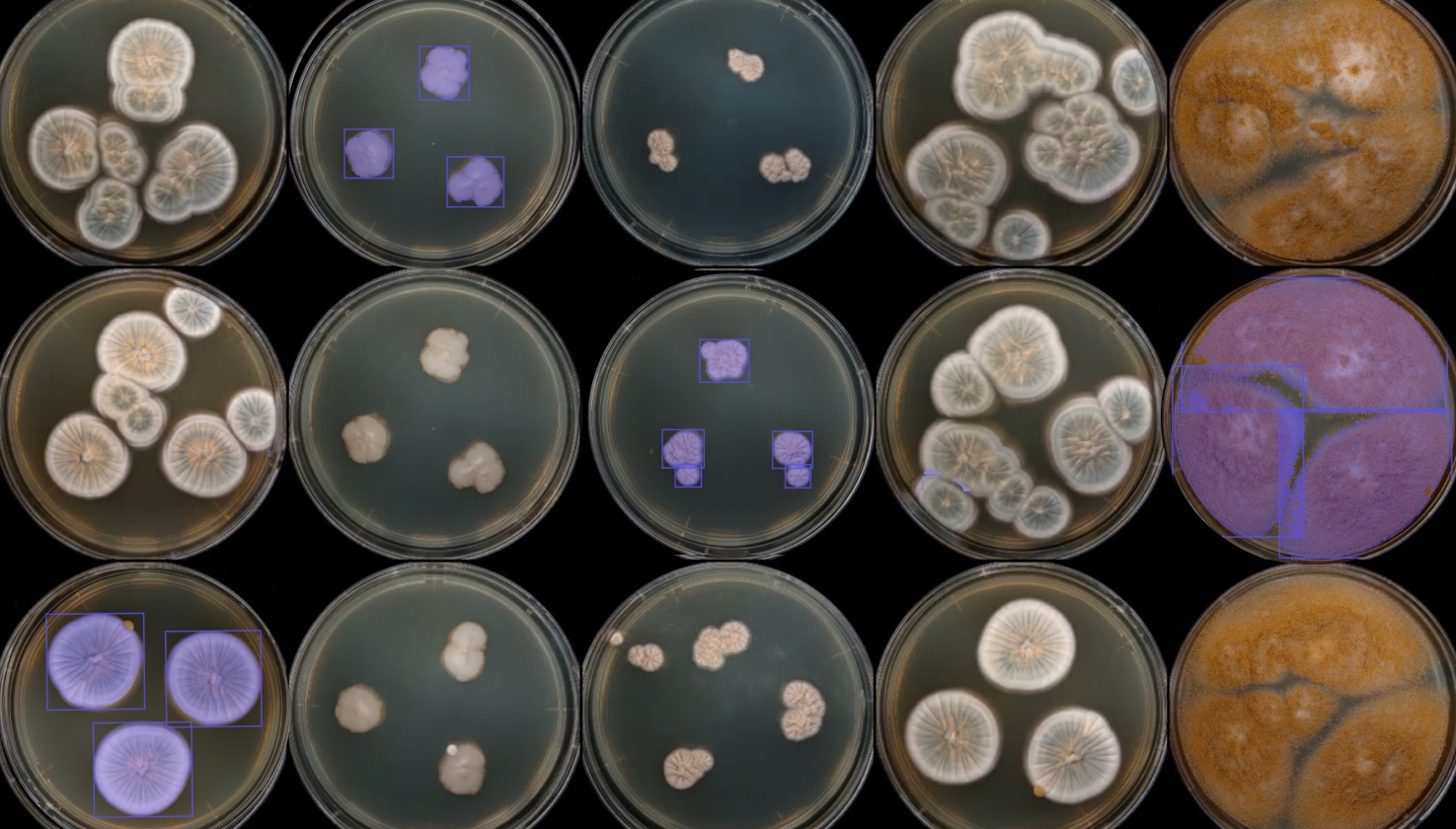

Filamentous fungi, a group of organisms that grow as long, thread-like structures, are emerging as powerful drivers of innovation in biotechnology. From sustainable agriculture and food production to pharmaceutical development, fungal biotechnology holds enormous potential. Yet despite their importance, most fungi remain largely unexplored.
As interest in AI in microbiology, lab automation, and data-driven biology grows, researchers are beginning to rethink how fungal systems are studied and applied at scale.
What Is RAPIDFUNG?
RAPIDFUNG is a four-year research collaboration led by DTU and funded by Innovation Fund Denmark. The project brings together biology, robotics, and artificial intelligence to enable automated fungal screening and large-scale analysis of filamentous fungi.
At its core, RAPIDFUNG aims to generate detailed growth profiles of 20,000 fungal isolates as structured, comparable data. This represents a major step forward in building a comprehensive fungal isolates database for future research and innovation.
A Collaborative Platform for Data-Driven Biology
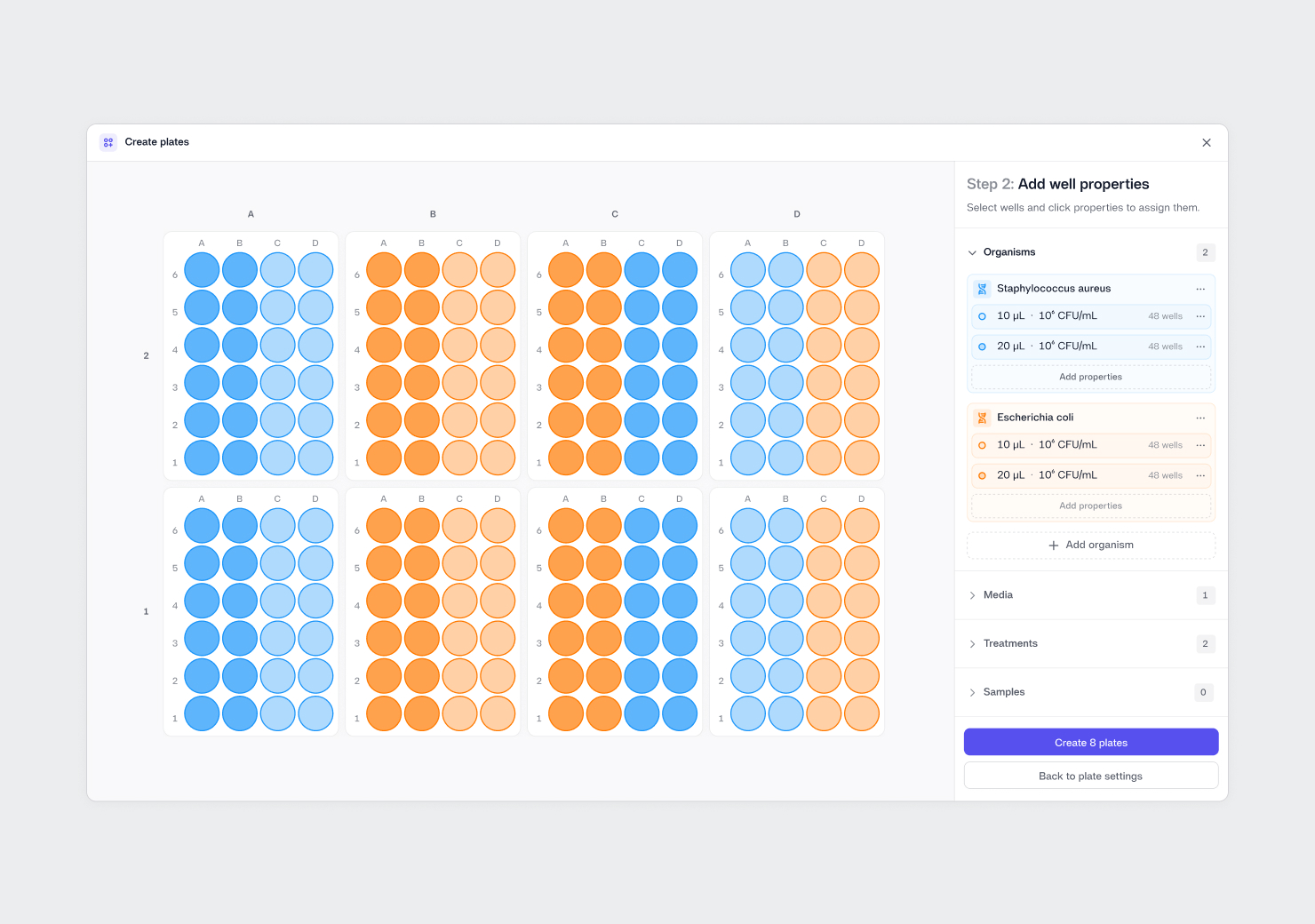
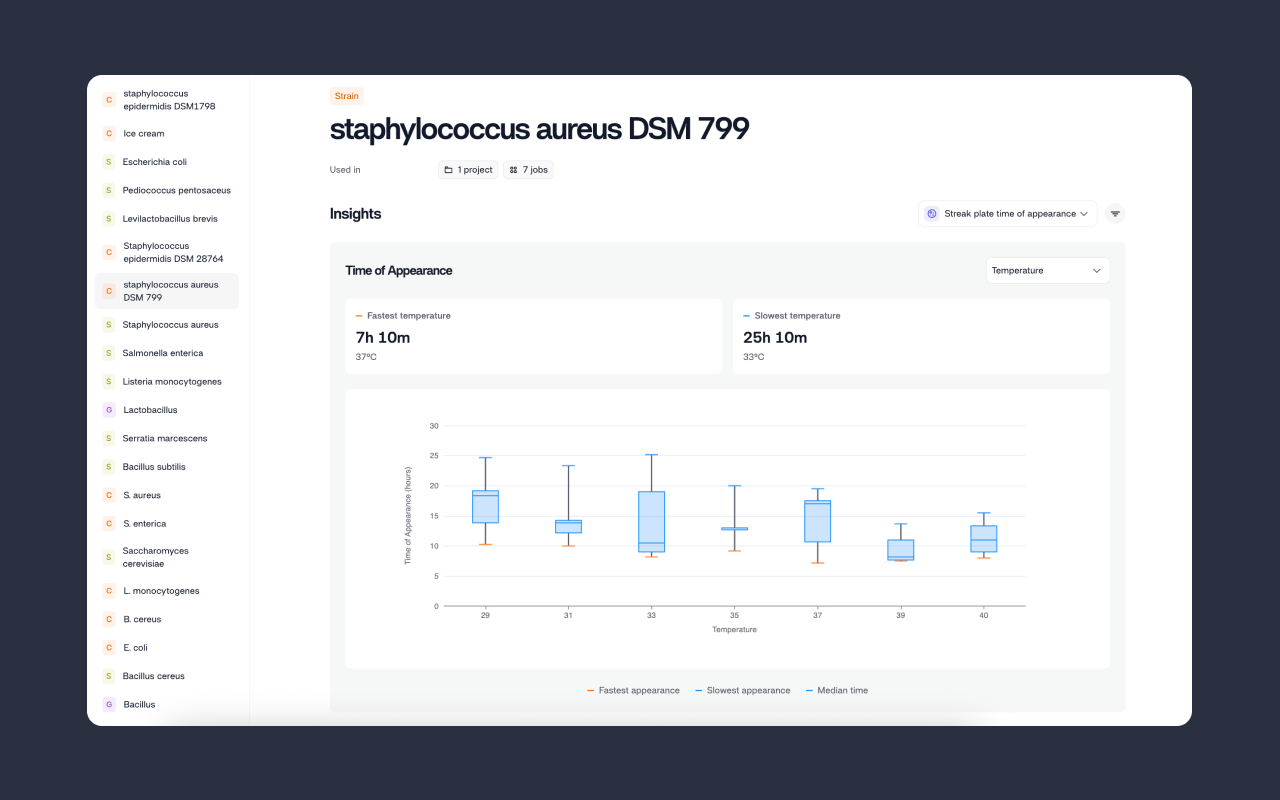
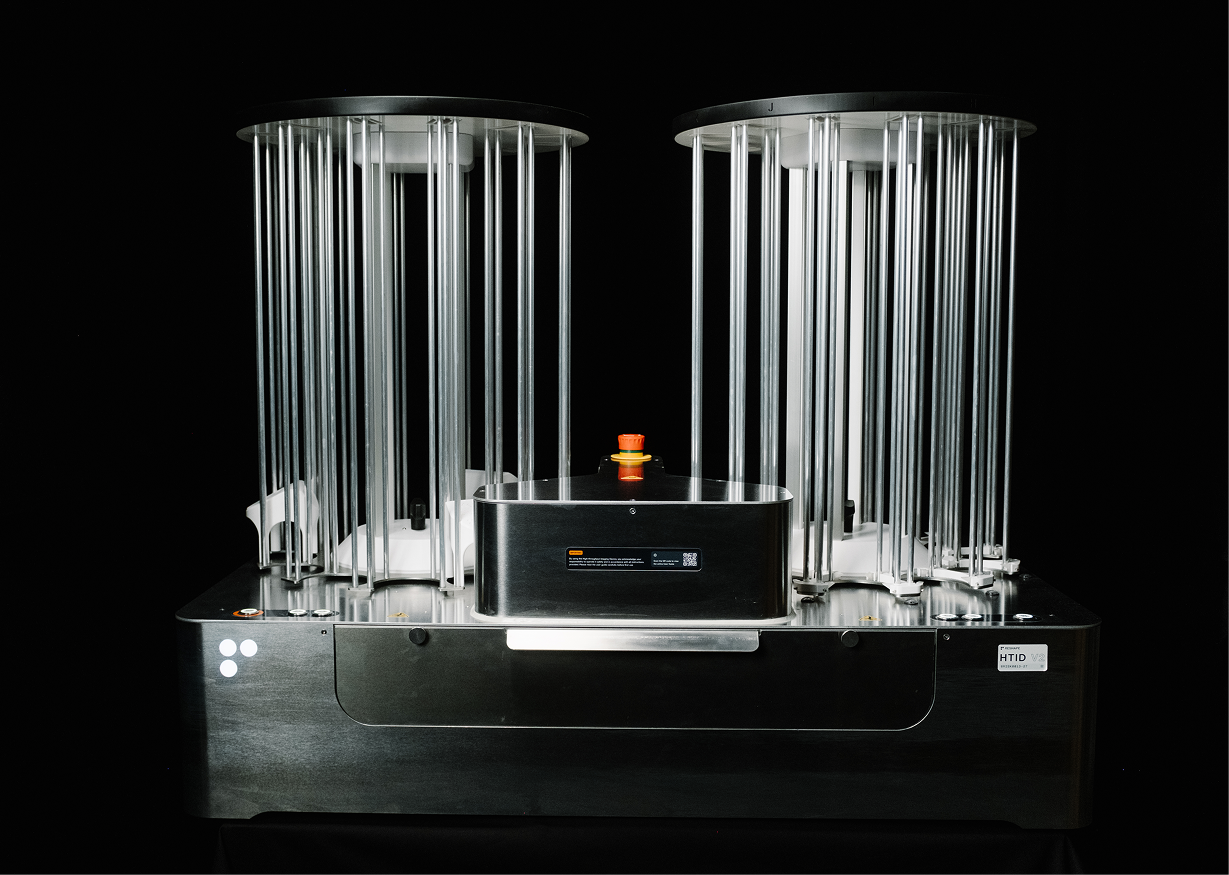
Reshape Biotech is proud to contribute to RAPIDFUNG by providing a lab automation platform that integrates experimental design, automated data capture, and AI-driven analysis into a single workflow.
This platform enables continuous, real-time monitoring of microbiology experiments while ensuring that data is structured, consistent, and reproducible from the outset. By combining automated microbiology with intelligent data processing, researchers can accelerate discovery and reduce experimental variability.
Alongside Reshape, BioSense Solutions and Mycoverse contribute complementary technologies, including cellular-level imaging and metabolomic screening. Together, these capabilities create a unified system for studying fungi across multiple biological layers.
The Reshape Platform, explained.
Why Fungi Matter in Biotechnology
Filamentous fungi produce enzymes and proteins that are essential for a wide range of industries. They are already used in industrial fermentation, food preservation, and pharmaceutical production, and are increasingly explored as bioprotectants in agriculture.
Their ability to act as scalable production platforms makes them especially valuable in bioindustrial applications, where efficiency and reproducibility are critical.
The Challenge of Studying Fungi at Scale
For decades, researchers have built extensive fungal collections. DTU alone holds thousands of fungal isolates. However, studying these organisms has remained slow and fragmented.
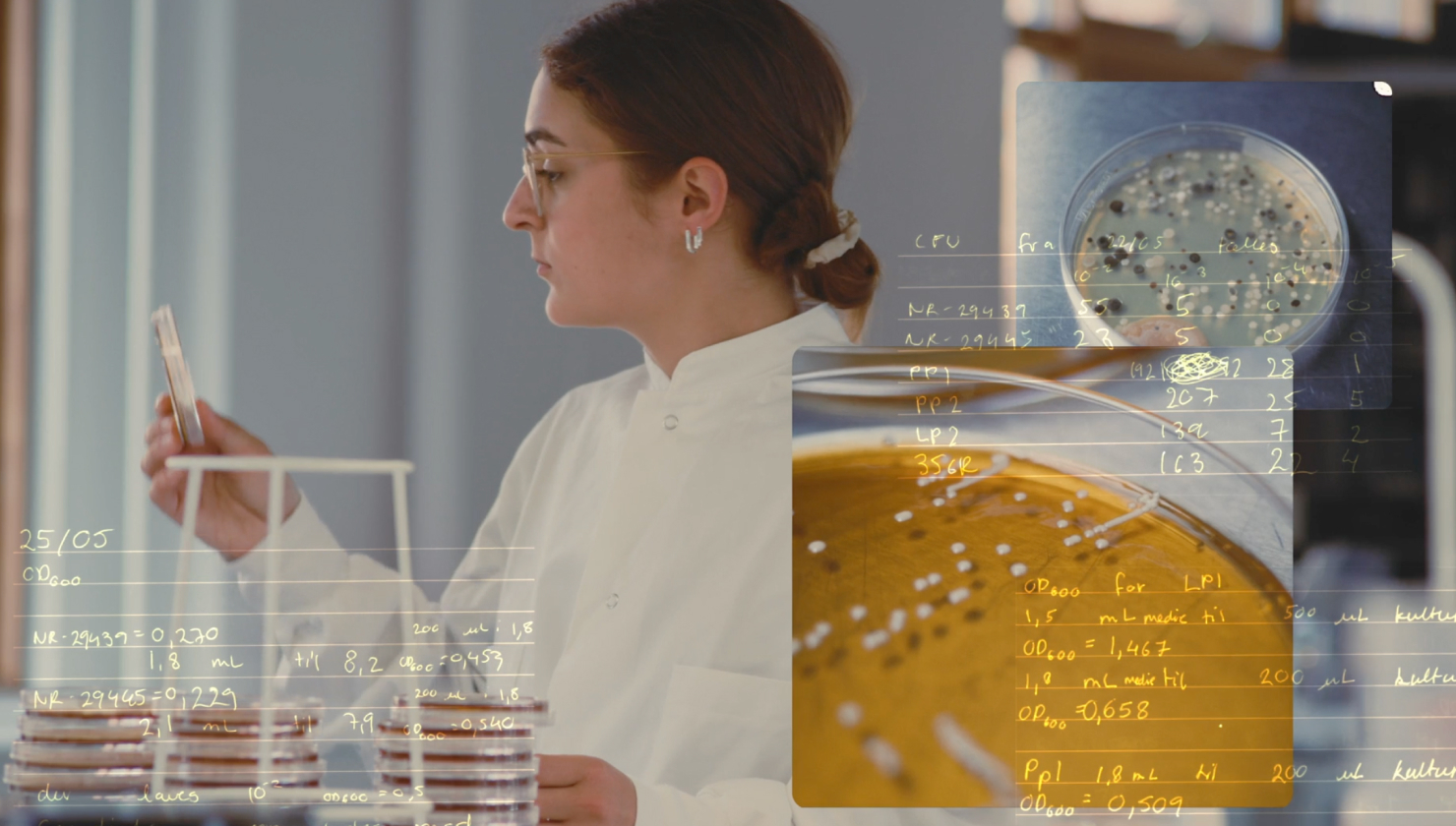
Traditional microbiology workflows rely heavily on manual experimentation, making it difficult to compare results across studies or generate reproducible data. This creates a major bottleneck in high-throughput screening of fungi and limits the ability to unlock their full potential.
How AI and Robotics Enable High-Throughput Fungal Research
The integration of robotics in biology, AI-driven analysis in biotech, and automated microbiology workflows is transforming how fungi are studied.
By combining lab automation, high-throughput imaging, and machine learning, researchers can now perform continuous monitoring and real-time experiment tracking across thousands of conditions. This enables scalable fungal growth profiling and the generation of structured, high-quality biological data.
These advances mark a shift toward digital microbiology, where experiments are standardized, reproducible, and designed for data-driven discovery.
From Hidden Resource to Bio-Driven Future
The result of RAPIDFUNG is a unique dataset that will unlock new insights into fungal biology and accelerate applications across food, agriculture, and pharmaceuticals.
More broadly, the project reflects a shift toward life science automation and data-driven biology, where research moves away from manual, siloed processes toward scalable, collaborative systems.
In this transformation, fungi are no longer a hidden resource. They are becoming a cornerstone of a bio-driven future powered by AI, robotics, and advanced lab automation.
About the Project
Official title: Robotics and AI-Powered Identification of Fungal Solutions (RAPIDFUNG)
Innovation Fund Denmark grant: DKK 18,127,356
Total budget: DKK 26,647,061
Duration: 4 years
Project lead: Associate Professor Jakob Blæsbjerg Hoof, DTU Bioengineering
Consortium: DTU, Reshape Biotech, BioSense Solutions, Mycoverse
Read more about the project on DTU’s website:
“RAPIDFUNG provides access to advanced tools that create high-quality data and a unique and diverse fungal collection. This opens up opportunities to develop fungal-based products for food, agriculture, pharma, and biotech more quickly.”
— Associate Professor Jakob Blæsbjerg Hoof, DTU Bioengineering