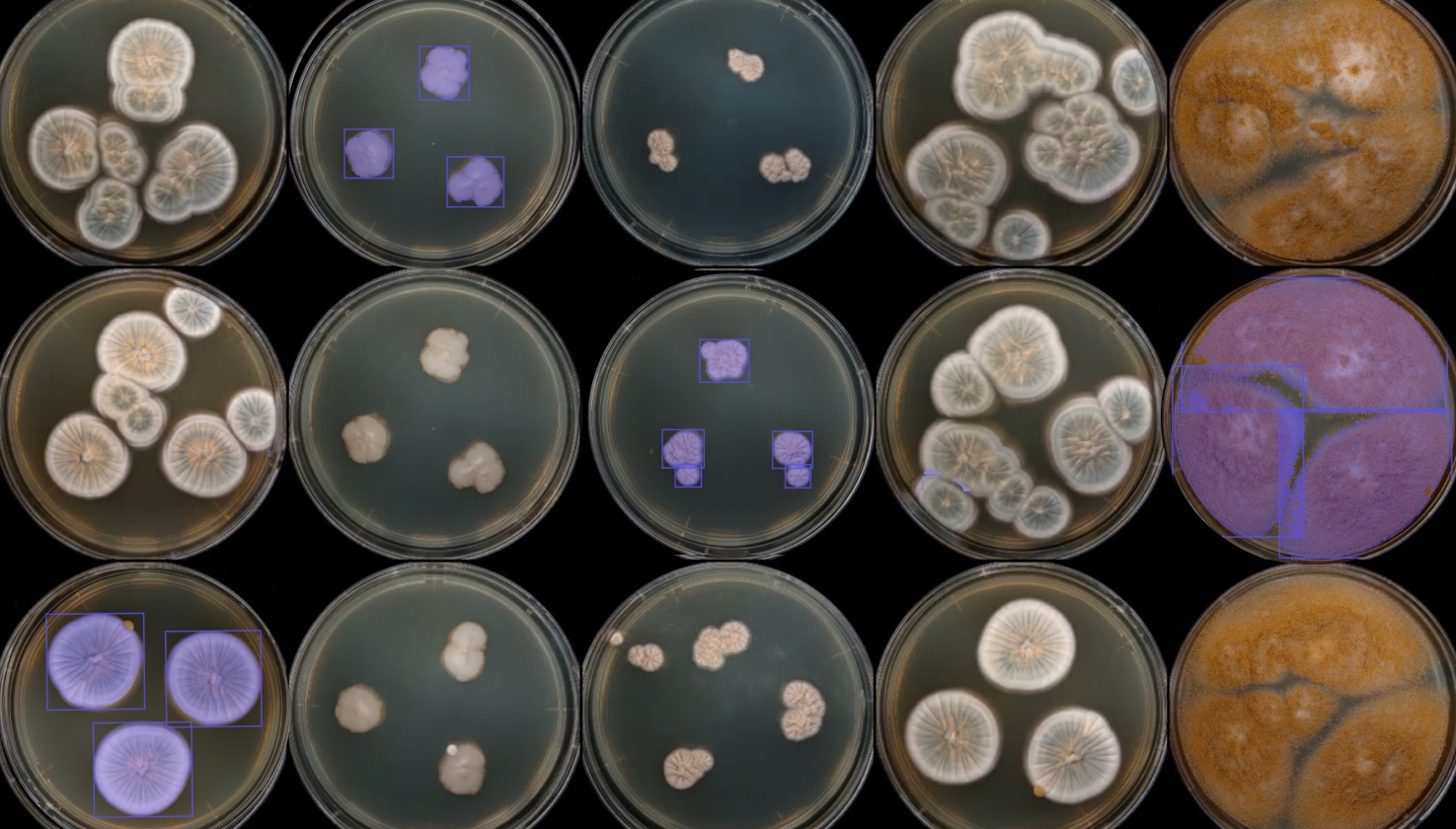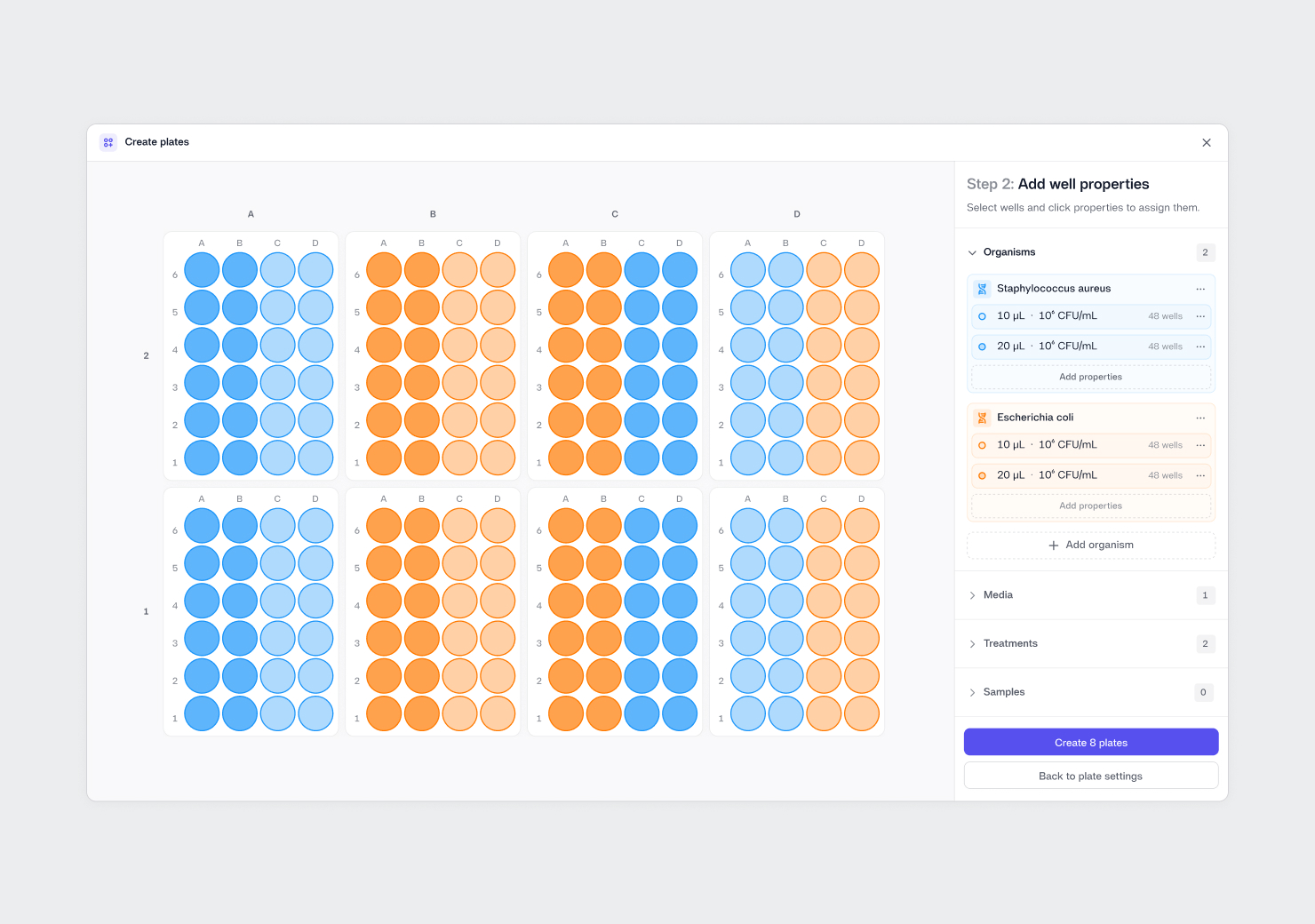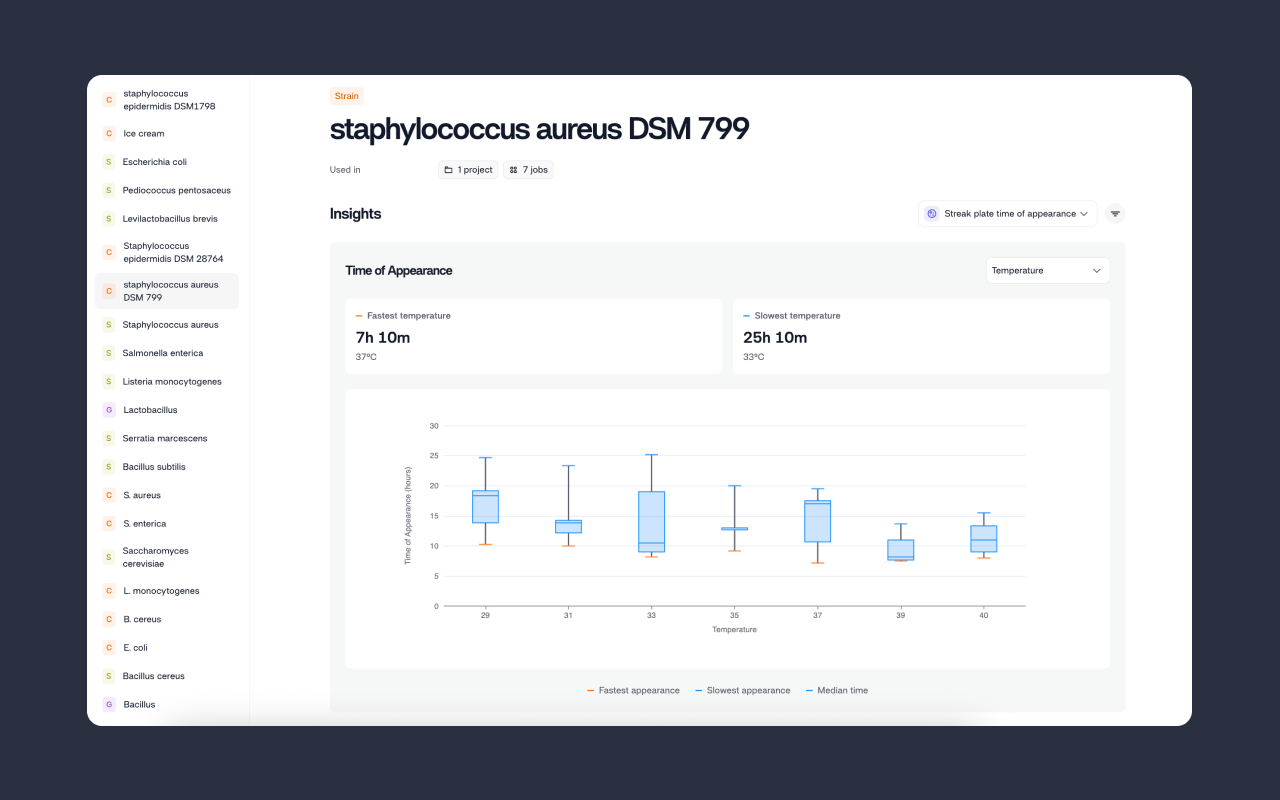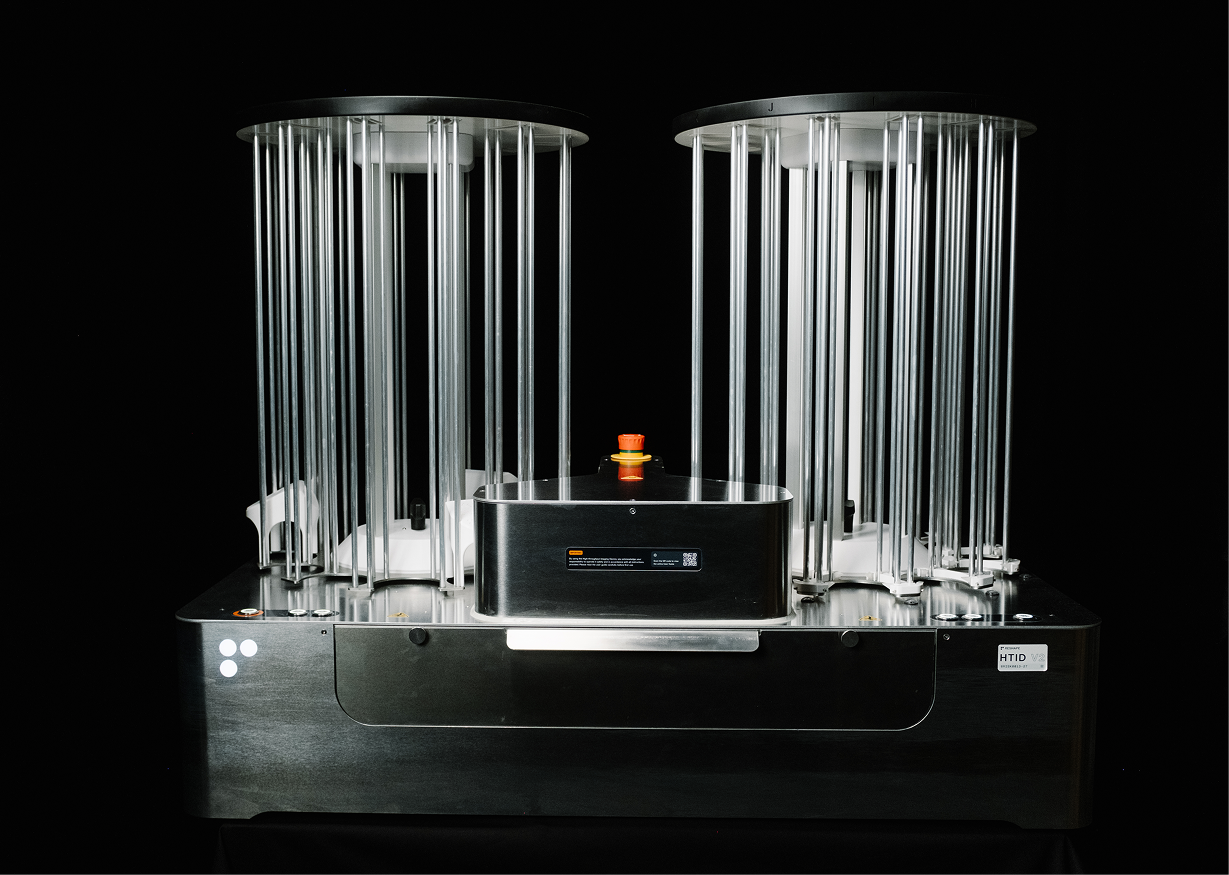
Automation of validated microbiological reference methods can be implemented in full alignment with ISO/IEC 17025.
Reshape does not change the underlying analytical reference method. Instead, it provides an automated execution equivalent to a trained human analyst, supported by documented performance data.
A compliant implementation focuses on:
• Defining intended use and requirements
• Qualifying equipment
• Verifying analytical performance in the laboratory’s workflow
• Updating SOPs and training
• Maintaining strong traceability and documentation
Accreditation bodies accredit laboratories, not instruments. Reshape strengthens traceability, documentation, and audit readiness, making it easier to maintain a high and defensible level of quality.
A practical guide to implementing automation without risking compliance or accreditation
Microbiology laboratories in food, biotech, and industrial applications are increasingly looking to automate workflows such as plate imaging, colony counting, and result documentation. The motivation is clear: improve productivity, strengthen traceability, and ensure governance so quality is consistently upheld.
Yet one concern repeatedly slows down implementation:
“Will automation jeopardize ISO 17025 compliance or our accreditation?”
This blog post explains what ISO 17025 actually requires when implementing microbiology automation, what “validation” really means in this context, and what a compliant implementation process looks like in practice.
Why ISO 17025 laboratories hesitate to automate microbiology (and why they don’t need to)
Automation introduces change. And in accredited laboratories, change is rightly handled with care.
Quality and technical managers often worry about:
• Whether automation constitutes a change to a validated method
• Whether accreditation bodies will accept the new workflow
• Whether extensive validation is required
• Whether auditors will reject automated results
This hesitation is understandable. But in most cases, it stems from a misunderstanding.
Automation does not necessarily mean changing the analytical method. Often, it means improving how parts of the method are executed.
ISO/IEC 17025 is not designed to block modernization. Its purpose is to ensure laboratories control their processes and can demonstrate technical competence. The goal is not to avoid change, but to implement it in a controlled, documented, and technically justified way.
The key misconception: “Is the system validated?”
One of the most common questions we hear is:
“Is Reshape’s system validated?”
It’s a reasonable question, but usually not the correct one.
In practice, three concepts are often mixed up:
• Validation
Applies to the method. Demonstrates that the method is suitable for its intended use.
• Verification
Applies to the method in a specific laboratory. Demonstrates that the laboratory can achieve the expected performance.
• Qualification
Applies to the system or equipment. Demonstrates that it is installed and operates as intended.
ISO 17025 requires laboratories to control and document all three where relevant.
However, the key point is this:
Validation is primarily a method-level concept. ISO 17025 focuses heavily on verification and controlled implementation within each laboratory.
So the better question becomes:
“Does automation change the method—or does it support the method?”
What Reshape changes (and what it does not)
When implementing Reshape’s microbiology automation, it is essential to clearly distinguish between what remains unchanged and what changes.
What remains unchanged
In typical implementations, Reshape does not change:
• The validated ISO reference method itself (for example, ISO 4833-1)
• Media preparation requirements
• Incubation conditions
• Colony definitions and decision rules
• Sampling and dilution principles
• Reporting logic required by the reference method
These elements are defined by the applicable ISO microbiology standards and remain the governing analytical framework.
What changes
Reshape typically automates or digitizes steps such as:
• Plate imaging and analysis
• Recording and traceability of observations
• Result documentation
• Workflow consistency and audit trails
In other words, Reshape supports execution of the method, it does not redefine it.
The analytical method remains the validated ISO reference method. The laboratory introduces a controlled, automated step within the workflow.
What ISO 17025 actually requires when you introduce automation
ISO/IEC 17025 is a quality management and technical competence standard. It does not list “approved technologies.” Instead, it defines how laboratories must ensure validity, traceability, and control.
When implementing microbiology automation, the most relevant requirements typically relate to the following areas.
A) Change control and controlled implementation
Laboratories must demonstrate that changes are evaluated, justified, and documented.
This includes documenting:
• Why the change was introduced
• What risks were assessed
• What evidence supports continued validity of results
This is core ISO 17025 territory: technical validity and control of processes.
B) Demonstrated competence and training
ISO 17025 requires laboratories to ensure and document personnel competence. Automation does not remove this requirement, it changes what competence means.
This typically includes:
• System operation
• Handling exceptions and edge cases
• Interpreting and reviewing results
• Maintaining controlled procedures
C) Evidence that results remain valid
Laboratories must show that the method performs as expected in their environment and for their intended use.
This is usually achieved through method verification and performance testing, not re-validation of the reference method.
D) Traceability, records, and documentation
ISO 17025 places strong emphasis on:
• Technical records
• Data traceability
• Reproducibility of reporting
• Controlled documentation
Digitization and automation using Reshape significantly strengthens compliance in this area, enabling traceability from final result back to the original plate image.
Reference methods are already validated, but your lab still needs verification
In food and industrial microbiology, most laboratories rely on ISO reference methods such as:
• ISO 4833-1 (total viable count)
• ISO 6887 (sample preparation)
• ISO 7218 (general microbiology requirements)
These methods are already validated and widely accepted. However, ISO 17025 still requires laboratories to ensure that the method performs adequately under their specific conditions. This applies regardless of whether counting is manual or automated.
Colony counting accuracy is already defined
ISO 7218 explicitly recognizes colony counting as a critical step where accuracy and consistency matter. Automation must therefore be justified relative to these existing expectations, not treated as something fundamentally new.
What a compliant implementation process looks like (step-by-step)
A compliant implementation is not about “validating the instrument.” It is about introducing automation through a structured, documented, and defensible process.
Step 1 — Define requirements (URS)
A User Requirement Specification (URS) is often the most effective starting point. It should define:
• Intended use
• Sample types and expected colony loads
• Accuracy expectations
• Traceability and data integrity requirements
• Reporting requirements
• Integration needs (if applicable)
ISO 17025 does not mandate a document called “URS,” but it does require laboratories to define requirements and ensure suitability for use.
Step 2 — Perform a risk assessment
Before implementation, laboratories should document a risk assessment. Typical risk areas include:
• Traceability and root cause analysis
• Deviations from SOPs
• Consistency of execution
• Change control and long-term validity
This directly aligns with ISO 17025’s focus on managing risks to result quality.
Step 3 — Equipment qualification (IQ/OQ)
The system should be qualified to demonstrate that it is installed and operates as intended:
• IQ (Installation Qualification) — correct installation and configuration
• OQ (Operational Qualification) — correct operation under defined conditions
ISO 17025 requires equipment to be fit for purpose, controlled, and documented.
Step 4 — Method verification / Performance Qualification (PQ)
This is typically the most important step for auditors.
A PQ usually includes:
• Representative sample sets
• Accuracy comparison against the existing workflow
• Precision through independent replicate measurements
• Defined acceptance criteria
• Documented results and sign-off by the technical manager
This demonstrates that automation supports the reference method without compromising performance.
Step 5 — Update SOPs and documentation
Even if the method remains unchanged, the workflow does not.
Laboratories should update:
• SOPs and work instructions
• Deviation handling procedures
• Calibration and maintenance documentation
This is directly aligned with ISO 17025’s requirements for controlled procedures.
Step 6 — Training and competence documentation
Personnel should be trained on:
• Correct system use
• System limitations
• Handling exceptions
• Result review and approval
Training must be documented.
Step 7 — Ongoing monitoring
Finally, laboratories should define how performance is monitored over time, for example:
• Periodic re-verification
• Trend monitoring
• Review of deviations
This supports continued compliance and audit readiness.
What auditors typically want to see (and what they don’t)
Auditors generally want evidence of control, not marketing claims.
They typically want to see:
• Documented justification for automation
• Method verification data
• Equipment qualification records
• Clear SOPs
• Traceable technical records
• Defined acceptance criteria
• Training documentation
• Clear ownership and sign-off
They typically do not care about:
• Vendor claims of “validated systems”
• Generic certificates
• Unfocused documentation with no relevance to lab use
Auditors assess the laboratory’s evidence, not whether a technology has been “approved.”
Practical checklist: what to document to stay compliant
Most ISO 17025 laboratories implementing microbiology automation will need:
✓ Defined intended use / URS
✓ Implementation plan
✓ Risk assessment
✓ IQ documentation
✓ OQ documentation
✓ PQ / verification protocol and report per method
✓ Acceptance criteria and sign-off
✓ SOP updates and version history
✓ Training records
✓ Calibration and maintenance plans
✓ Technical records ensuring traceability and integrity
This aligns with ISO 17025 expectations and microbiology standards such as ISO 7218.
Accreditation bodies: what they can accept (and how to communicate it)
Accreditation bodies accredit laboratories, not instruments.
Automation is acceptable when:
• The ISO reference method remains governing
• Automated steps are verified and documented
• Traceability and technical records are maintained
• Processes are controlled through SOPs and competence documentation
How to frame this during audits
• “We continue to follow the ISO reference method.”
• “We have documented verification demonstrating equivalence.”
• “The system is qualified with defined acceptance criteria.”
• “We maintain full traceability and technical records.”
This keeps the discussion firmly within the ISO 17025 framework.
Summary: the safe, ISO-aligned way to implement microbiology automation
Automation is not a compliance risk when implemented correctly, it strengthens your ability to demonstrate accuracy, traceability, and control.
Key takeaways:
• Validation applies primarily to methods; ISO 17025 focuses on controlled implementation and evidence.
• Reference methods are already validated, but in-lab verification is still required — with or without automation.
• Reshape does not change ISO reference methods; it supports their execution through automation of imaging and counting.
• A compliant implementation includes URS, risk assessment, IQ/OQ, and method verification (PQ).
• Accreditation bodies evaluate laboratory evidence, not equipment brands.
Want a structured ISO 17025 implementation package?
Reshape provides a structured framework for qualification and performance verification of microbiology automation systems, aligned with ISO 17025 expectations and ISO reference methods.
If you would like templates for URS, IQ/OQ/PQ documentation, and verification protocols, get in touch, we’re happy to share an implementation outline.
References and standards
ISO/IEC 17025:2017
General requirements for the competence of testing and calibration laboratories.
ISO 7218
Microbiology of the food chain — General requirements and guidance for microbiological examinations.
ISO 6887 (all parts)
Microbiology of the food chain — Preparation of test samples, initial suspension and decimal dilutions for microbiological examination.
ISO 16140 (all parts)
Microbiology of the food chain — Method validation.
ISO 4833-1
Microbiology of the food chain — Horizontal method for the enumeration of microorganisms — Part 1: Colony count at 30 °C by the pour plate technique.